
“Art enables us to find ourselves and lose ourselves at the same time.” — Thomas
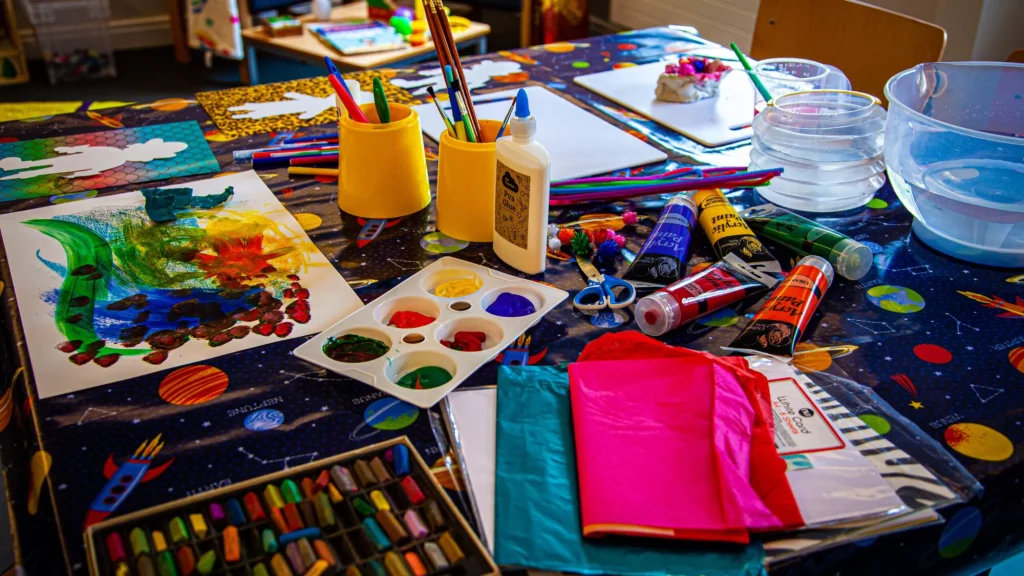
In a quiet courtyard in CA, a group of women gather around a long table scattered with brushes, clay, and vibrant paints. Some are survivors of displacement, others are navigating grief or isolation. As they shape their stories into color and form, something remarkable happens: silence gives way to laughter, pain softens into connection, and healing begins — not through words, but through creativity.
This is the heart of community therapy through creativity: a collective process where art becomes a bridge between personal healing and social transformation. It’s not just about making something beautiful — it’s about making meaning together. Whether through murals, music, storytelling, or dance, creative expression allows individuals to process trauma, reclaim identity, and build bonds that transcend language, background, and circumstance.
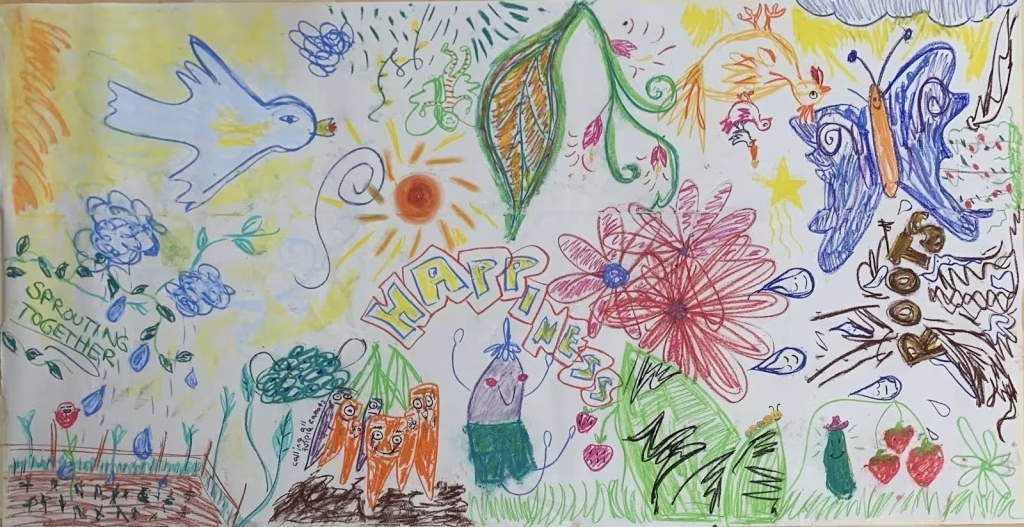
🎨 What Is “Community Therapy Through Creativity”?
Community therapy through creativity is a participatory approach that uses artistic practices to foster emotional well-being, social connection, and cultural resilience. Unlike traditional therapy, it’s rooted in shared experience — where healing happens in groups, in public spaces, and in culturally relevant ways. It draws from art therapy, expressive arts, and community-based healing models to create safe, inclusive environments where people can express, reflect, and grow.
At its core, this approach recognizes that:
- Art is a universal language — accessible to all, regardless of age, literacy, or background.
- Creativity is a form of agency — empowering individuals to shape their own narratives.
- Community is a catalyst for healing — offering support, solidarity, and shared purpose.
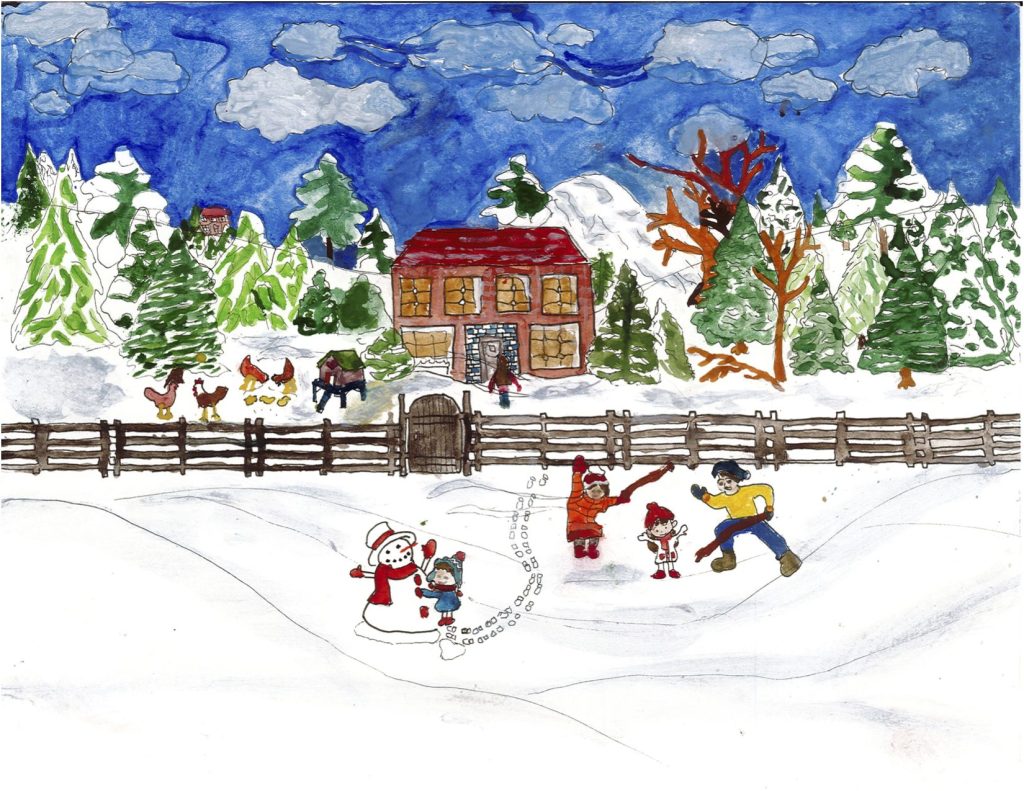
Why This Matters Now
In today’s world, the need for creative healing has never been more urgent. Communities across the globe are grappling with the emotional toll of displacement, inequality, climate stress, and post-pandemic isolation. Mental health resources remain scarce, especially in underserved regions. Social divisions are deepening, and cultural identities are at risk of erasure.
Art offers a way forward.
- Mental Health: Creative expression reduces anxiety, depression, and PTSD symptoms — especially in trauma-affected populations.
- Social Cohesion: Group art projects foster empathy, dialogue, and trust across differences.
- Cultural Resilience: Artistic traditions preserve heritage, strengthen identity, and inspire pride in place.
The Science of Healing Through Art
Art is more than a form of expression — it’s a form of transformation. For individuals and communities navigating trauma, displacement, or emotional distress, creative engagement offers a pathway to healing that is both gentle and profound. The science behind this is compelling, and it affirms what many cultures have known intuitively for centuries: art heals.
🎨 Overview of Art Therapy Principles
Art therapy is a structured, evidence-based practice that uses visual arts, music, movement, and storytelling to support psychological well-being. It’s not about artistic skill — it’s about emotional release, self-discovery, and meaning-making.
Core principles include:
- Non-verbal expression: Art allows people to communicate feelings that may be too complex or painful to articulate in words.
- Safe exploration: The creative process provides a controlled space to explore trauma, grief, anxiety, or identity.
- Empowerment through creation: Making something tangible fosters a sense of agency, accomplishment, and control — especially important for those who feel powerless.
- Symbolic healing: Colors, shapes, and metaphors in art can represent inner experiences, helping individuals externalize and reframe their pain.
Art therapy is often used in clinical settings, but its principles are equally powerful in community-based programs — especially when adapted to cultural contexts and collective needs.
🧬 Emotional and Neurological Benefits of Creative Expression
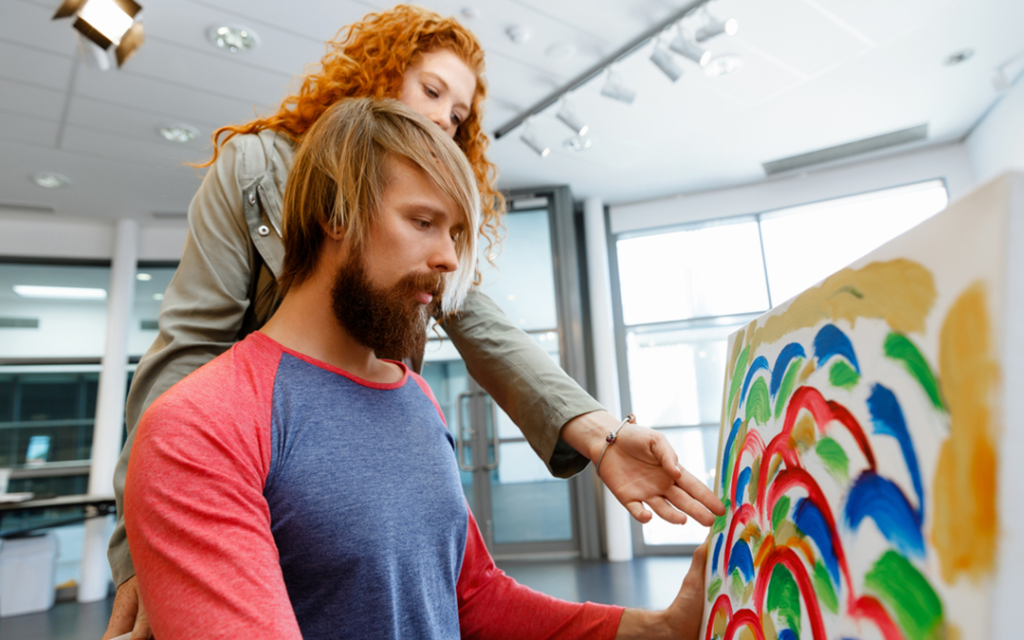
Research in neuroscience and psychology reveals that engaging in creative activities activates multiple regions of the brain associated with emotion regulation, memory, and reward. Here’s how:
- Reduced cortisol levels: Art-making has been shown to lower stress hormones, promoting relaxation and calm.
- Increased dopamine: The act of creating stimulates pleasure centers in the brain, enhancing mood and motivation.
- Enhanced neuroplasticity: Creative engagement encourages new neural connections, which can support recovery from trauma and improve cognitive flexibility.
- Improved emotional regulation: Through repeated creative practice, individuals learn to process and manage difficult emotions more effectively.
For communities facing chronic stress — whether due to poverty, displacement, or systemic injustice — these benefits are not just therapeutic; they’re transformative.
🤝 How Group Art Activities Foster Empathy and Connection
Healing doesn’t happen in isolation. Group-based creative activities offer a unique opportunity to build trust, empathy, and solidarity across diverse backgrounds.
- Shared vulnerability: When people create together, they witness each other’s stories and emotions, fostering mutual understanding.
- Collective storytelling: Projects like murals, music circles, or community theater allow participants to co-create narratives that reflect their shared experiences and hopes.
- Cultural bridging: Art transcends language and cultural barriers, making it an ideal tool for inclusive engagement.
- Restoration of belonging: In group settings, individuals often rediscover a sense of place, purpose, and connection — essential ingredients for healing.
These dynamics are especially powerful in marginalized or trauma-affected communities, where traditional therapeutic models may feel inaccessible or alienating.
Community-Based Creative Therapy Models
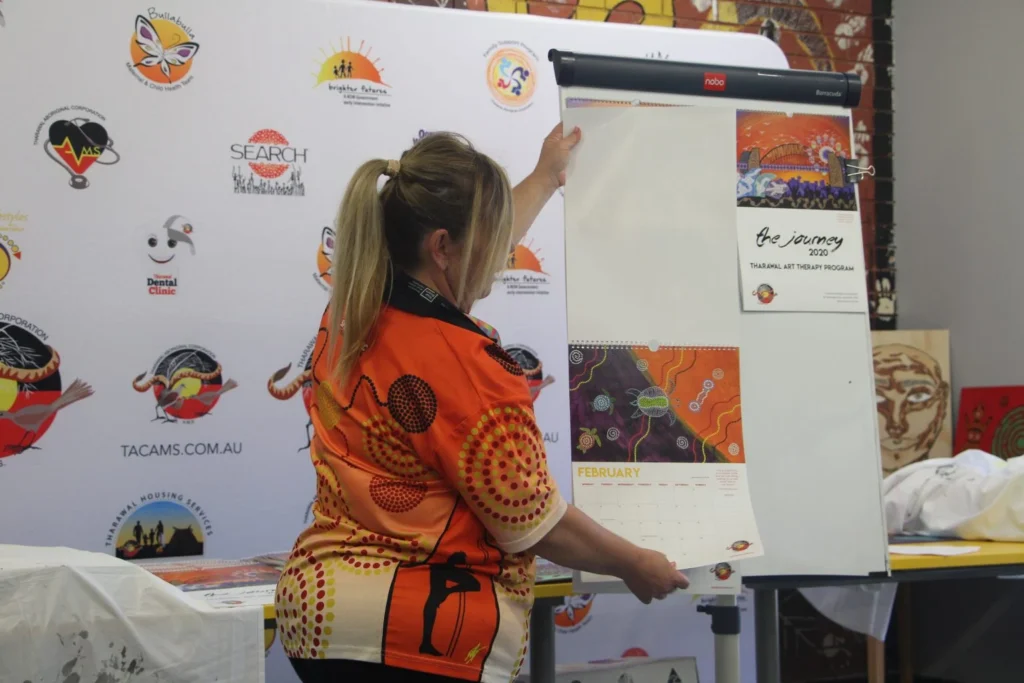
Creative therapy doesn’t just happen in clinics or studios — it thrives in courtyards, shelters, schools, refugee camps, and public squares. When art is brought into the heart of a community, it becomes a shared language of healing, identity, and hope. These models center participation, cultural relevance, and emotional safety — making them especially powerful for marginalized and trauma-affected groups.
🖌️ Mural Projects: Healing on the Walls
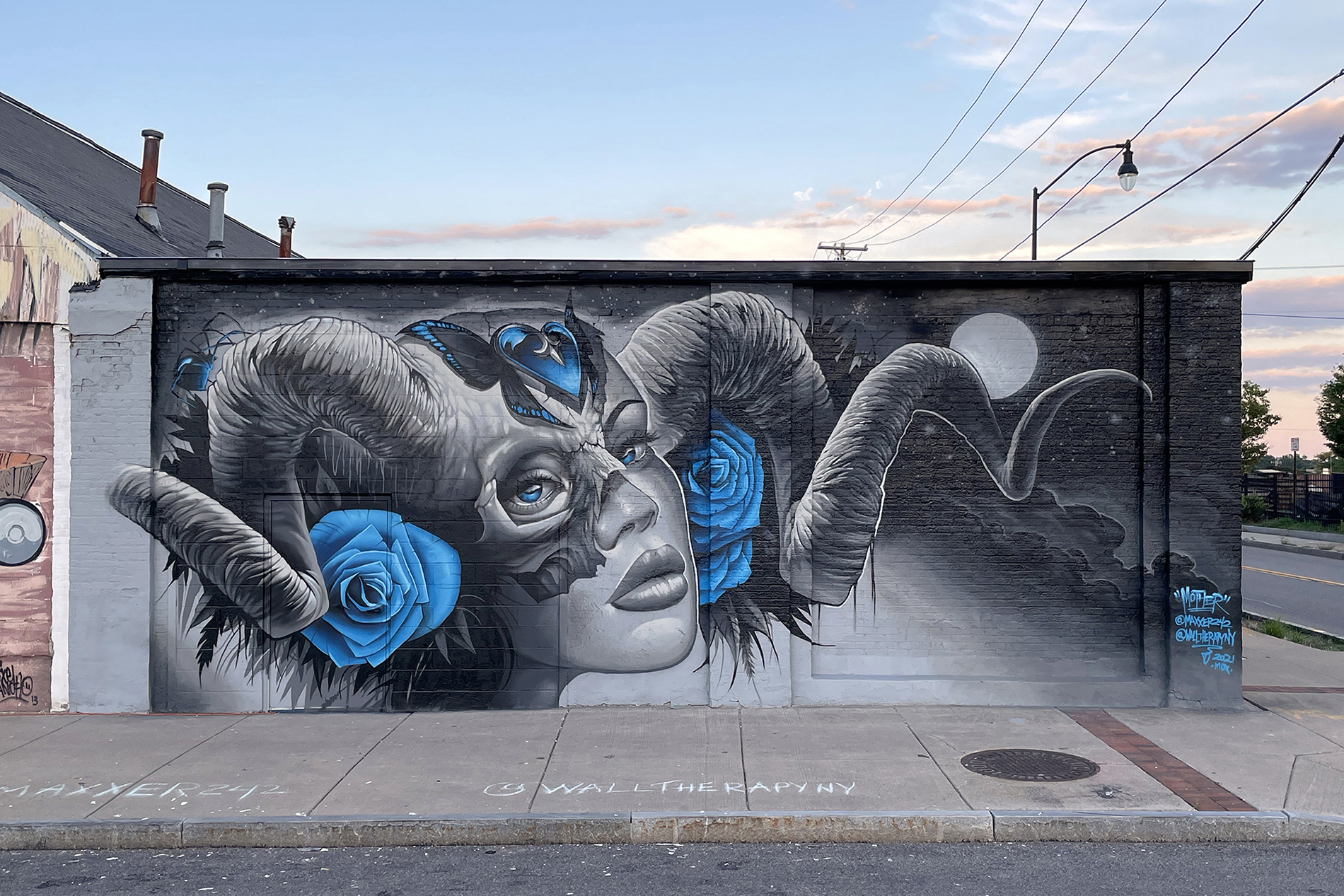
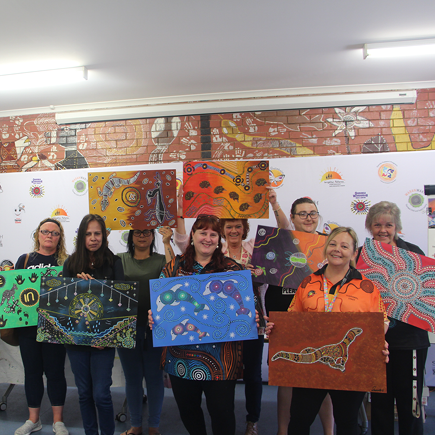
Community murals are one of the most visible and impactful forms of collective art therapy. They transform blank walls into vibrant canvases of shared experience, pride, and resilience.
- In Rio de Janeiro, youth from favelas collaborated with local artists to paint murals reflecting their dreams and struggles. The process fostered dialogue, reduced violence, and gave young people a sense of ownership over their environment.
- In Meknes, a PERETZ FOUNDATION-supported mural project invited women from underserved neighborhoods to depict symbols of strength and renewal. Each brushstroke became a declaration of visibility and voice.
Murals offer more than beauty — they offer belonging. They turn trauma into testimony, and public space into sacred space.
Music Workshops: Rhythm of Recovery
Music therapy workshops offer a dynamic and inclusive way to engage communities in healing. Whether through drumming, songwriting, or improvisation, music taps into emotion, memory, and movement.
- In Palestinian refugee camps, percussion workshops have helped children regulate anxiety and express joy. Group rhythms foster unity and emotional release.
- In urban shelters across Europe, songwriting sessions allow homeless individuals to reclaim their stories and build confidence. Lyrics become lifelines.
Music transcends language and literacy — making it especially effective for diverse and multilingual groups.
specific examples of art therapy success stories
Beth’s Gift to Her Family
Beth, an elderly woman in the late stages of dementia, had lost her ability to speak and showed little emotional response. Her art therapist gently introduced her to a Buddha board and watercolor paints. Over time, Beth began creating deliberate shapes and images. One painting, shared with her family after her passing, revealed a symbolic message: Beth had been a labor and delivery nurse, and her daughter was expecting a baby. The family interpreted the enclosed shape as Beth’s way of saying she knew — a final, silent gift of connection. The baby was born on Beth’s birthday.
Sophia Finds Her Voice
Sophia, a 10-year-old girl with selective mutism, struggled to speak in social settings. Traditional therapies had little effect. Through art therapy, she began expressing herself with colors and shapes. Her drawings evolved into vivid scenes that reflected her inner world. Gradually, she started describing her artwork aloud, building confidence and trust. Eventually, Sophia began speaking freely at school and in public — a breakthrough her parents attributed to the safe, expressive space that art therapy provided.
Fading Colors
In a group setting, a man with cognitive decline chose vibrant colors and painted with joy. Though he couldn’t articulate why, his laughter and engagement spoke volumes. On another day, when his condition worsened, he struggled to choose colors or move the brush. Yet even minimal movement — guided hand-over-hand — allowed him to participate. His art became a record of his emotional state, and a way for caregivers to connect with him beyond words
🤝 How to Get Involved
Help us turn creativity into care.
Healing through art is not a solo journey — it’s a collective movement. Whether you’re an artist, advocate, donor, or dreamer, there’s a place for you in our circle. The PERETZ FOUNDATION invites you to be part of a growing community that believes in the power of creativity to transform lives.
Volunteer: Share Your Time, Talent, or Heart
Your presence can be a catalyst for healing. Volunteers are the lifeblood of our programs — bringing energy, empathy, and expertise to every brushstroke and story shared.
- Creative Facilitators: Lead art, music, or storytelling sessions in shelters, schools, or community centers.
- Workshop Support: Help set up materials, welcome participants, and create a safe, inclusive space.
- Digital Volunteers: Assist with content creation, translation, or online outreach to amplify our impact.
“I came to teach painting. I left with a heart full of stories.” — Volunteer testimonial
💝 Donate: Fuel the Movement
Every contribution helps us reach more communities with healing tools and creative care. Your support funds:
- Art kits for displaced families and underserved youth
- Mobile therapy workshops in refugee camps and urban shelters
- Public exhibitions that celebrate resilience and amplify unheard voices
Whether it’s a one-time gift or a monthly pledge, your donation becomes a brushstroke in someone’s healing journey.
$25 provides a full art therapy kit for one child. $100 sponsors a community mural session.
🤝 Partner: Build Something Beautiful Together
We believe in the power of collaboration. If you’re part of an organization, school, gallery, or advocacy group, let’s co-create.
- NGO Partnerships: Integrate creative therapy into your existing programs
- Corporate Social Responsibility: Sponsor workshops or exhibitions aligned with your values
- Cultural Institutions: Host events, lend space, or curate healing-focused art shows
Together, we can design initiatives that are heartfelt, strategic, and deeply impactful.
🤝 Partner: Build Something Beautiful Together
We believe in the power of collaboration. If you’re part of an organization, school, gallery, or advocacy group, let’s co-create.
- NGO Partnerships: Integrate creative therapy into your existing programs
- Corporate Social Responsibility: Sponsor workshops or exhibitions aligned with your values
- Cultural Institutions: Host events, lend space, or curate healing-focused art shows
Together, we can design initiatives that are heartfelt, strategic, and deeply impactful.